
Projects
Soil Health Restoration, Riverbend South
A mechanical and biological “recharge” designed to fix soil compaction and jumpstart healthy turf growth using 100% natural materials.

At ReedMow “a premium residential lawn care and soil restoration service operating in Sugar Land, Missouri City, and Stafford, Texas”, we think of lawns like living beings that need our help to be nurtured and cared for. Sugar Land soil is thick and heavy, which makes it hard for grass to grow. We want to show you how to address this problem and make your lawn thrive and stay healthy. The first step in this is leaf cleanup. If leaves are left on the lawn, they block necessary sunlight, and the grass does not get enough sunlight to grow. So, we focus on cleanup, giving the grass the light and vitamins it needs to grow healthy.
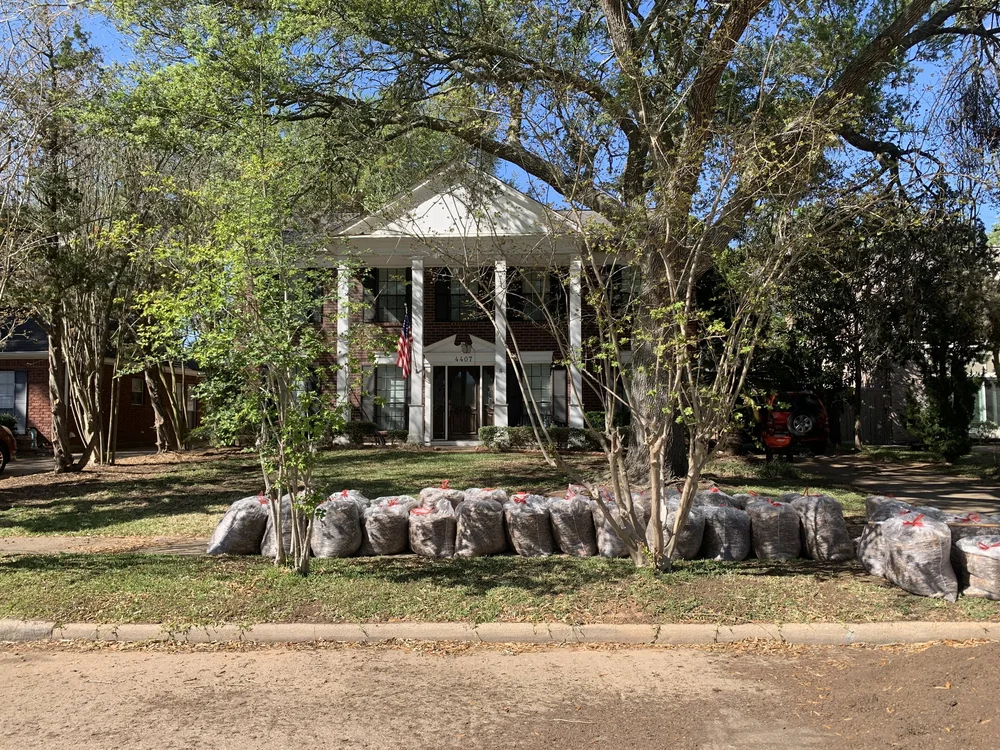
The ground on Riverbend South is very hard because of the clay-based soil. We perform aeration and use an aerator “mechanical core extraction equipment used to punch thousands of deep holes into dense clay soil” to poke thousands of holes into the ground. This helps roots to grow stronger and the grass to get the necessary airflow and water that they need to grow. This machine helps to remove compacted plugs from the ground. This plug removal allows trapped roots to get fresh air and expand.
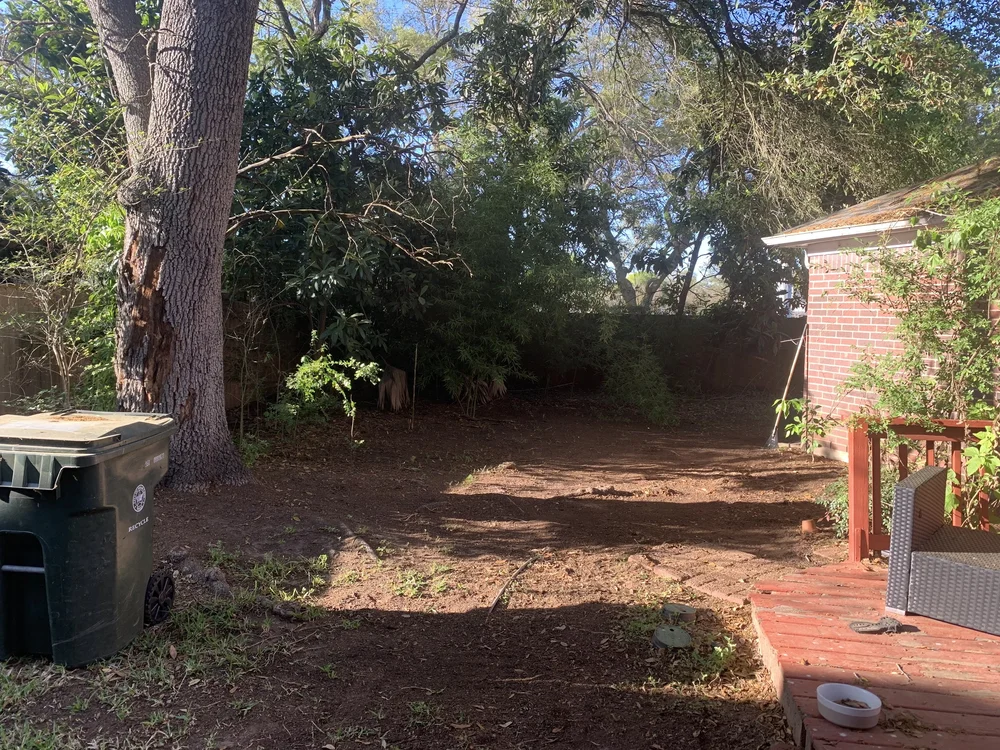
Large trees have a very complicated root network “an underground web of structural and feeder roots responsible for water and nutrient exchange”. Without proper airflow, these connections will die off, causing damage to the tree and possibly future damage to your lawn.
Adding Life to the Dirt
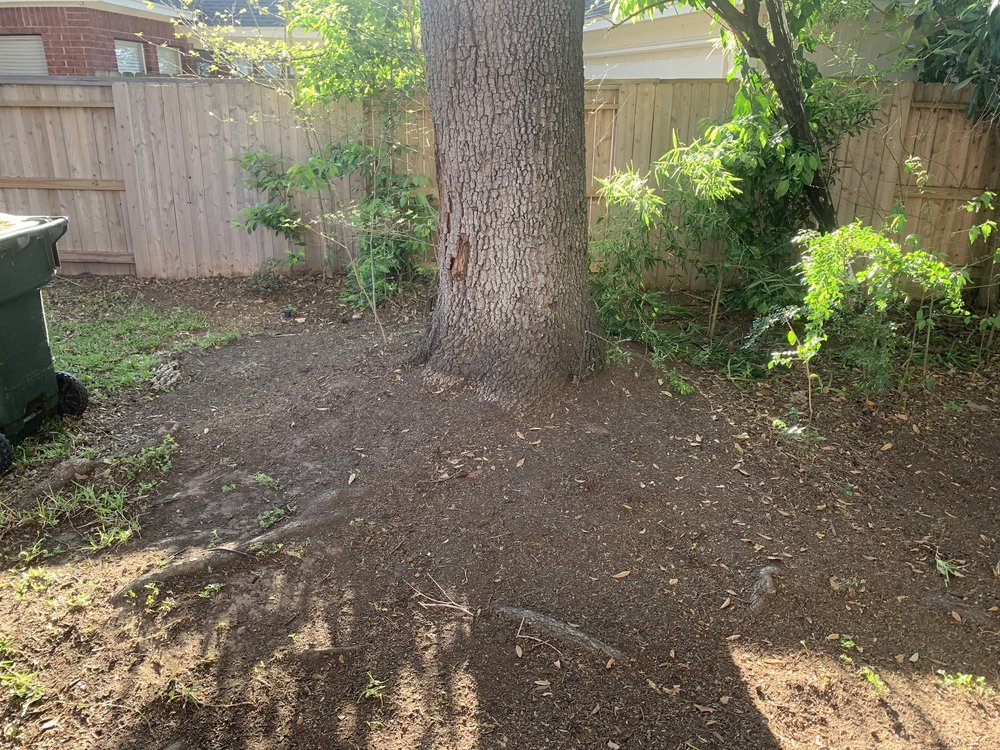
As a final step, we add a layer of compost to the soil. This is like adding a million tiny helpers to bring life back into your yard. As they work around the clock, adding vitamins and much-needed minerals without any harsh chemicals. The compost that is added contains a mix of good fungi and beneficial microbes “living bacteria, fungi, and other microorganisms that break down organic matter and feed the soil” allowing fruitful deposits back into a deprived clay-based soil.
This compost helps the grass to pull water and the soil to be able to maintain moisture during harsh winters and hot summer seasons. At ReedMow, we focus on long-term care, not just quick fixes that look nice. We want your yard to be a reflection of our dedication to ensuring the best quality of care for Riverbend residents. We address problems at the root, starting with soil management, so your lawn continuously improves. Choose ReedMow and get a lawn company that cares from start to finish.
Project Breakdown
Work Summary & Cost Data
- Deep-Core Aeration (Front & Back Yard)
- $800
- Heavy Leaf Cleanup (Front & Back Yard)
- $150
- Premium Compost (2 cu yd)
- Included
- Subtotal
- $950
Soil treatments like core aeration and compost are available for clients on our weekly or biweekly maintenance schedule.